
Written by Jacob Seebecker
The Algona High School students learned about nutrition and nutritional value in Advisory on November 3rd, 6th, and 10th. The students learned about the main food groups, grains, fruits, vegetables, dairy, portion size, and water consumption. “I learned alot,” said Kaden Bormann.
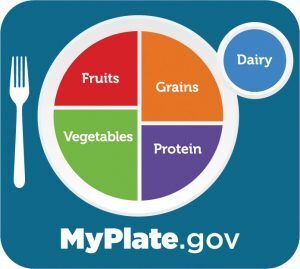
Vegetables should make up most of the diet, with them taking up 40% of the plate. Vegetables help the body shield against chronic diseases, help control blood pressure, strengthen the immune system, and defend vision.
Grains take up 30% of the plate; half of the grains should be whole grains. Grains carry carbohydrates, which are the most common fuel for the body. Grains support heart health, blood production, and energy production.
Fruits take up 10% of the total diet. Fruits help manage blood pressure, manage weight, and improve digestion.
Protein should take up 20% of the diet with lean meats, poultry, beans, and eggs. Protein helps the body repair itself in regards to muscle, bones, hair, skin, and cartilage. Protein also helps create enzymes and hormones and power the immune system.
Dairy should be about three cups of the total diet per day with milk, cheese, and yogurt being the contributors. Dairy helps bone and teeth strength, vitamin delivery and absorption, and the body's regular function.
Everyone should drink 6 to 8 glasses of water a day. Water controls body temperature, lubricates joints, protects vital tissue, aids in digestion, and sharpens brain functions.
Algona has a new dietitian this year, Ellen Davis. She works for Performance Collective. Davis is a registered dietitian and is a board certified specialist in sports dietetics. She gives education on nutrition and meal plans throughout the week to the athletes.